
Advanced health screening means testing that goes beyond a standard annual physical, chosen to answer a specific question about you. It can include advanced cholesterol markers, a coronary artery calcium score, body composition and fitness testing, or imaging. Each of these tests can be valuable, and each one is most useful when its result is likely to change a decision about your care.
A well-chosen screening plan gives you clear answers and a defined next step. This guide explains what advanced screening can include, how your physician decides which tests are worth running, how to think about unexpected findings, and how results turn into a plan you can act on.
What a Standard Physical Covers
A standard annual physical is the foundation. It usually includes a review of your history and medications, a physical exam, a blood pressure check, and routine bloodwork such as a basic lipid panel, blood sugar, and a metabolic panel. It also includes the age-based cancer screenings that national guidelines recommend, such as colon, breast, and cervical cancer screening, and lung cancer screening for eligible adults.
This foundation is valuable, and it catches a great deal. Advanced screening builds on it, adding detail where your personal history, your family history, or your goals call for a closer look. The two work together, and advanced testing is most informative when it sits on top of a complete, current physical.
What Advanced Health Screening Can Include
Advanced screening covers several kinds of testing, and a physician selects from them based on the question being asked:
- Advanced lipid testing. Markers such as apolipoprotein B (ApoB) and lipoprotein(a), often written Lp(a), give a fuller picture of cardiovascular risk than a standard cholesterol panel alone.
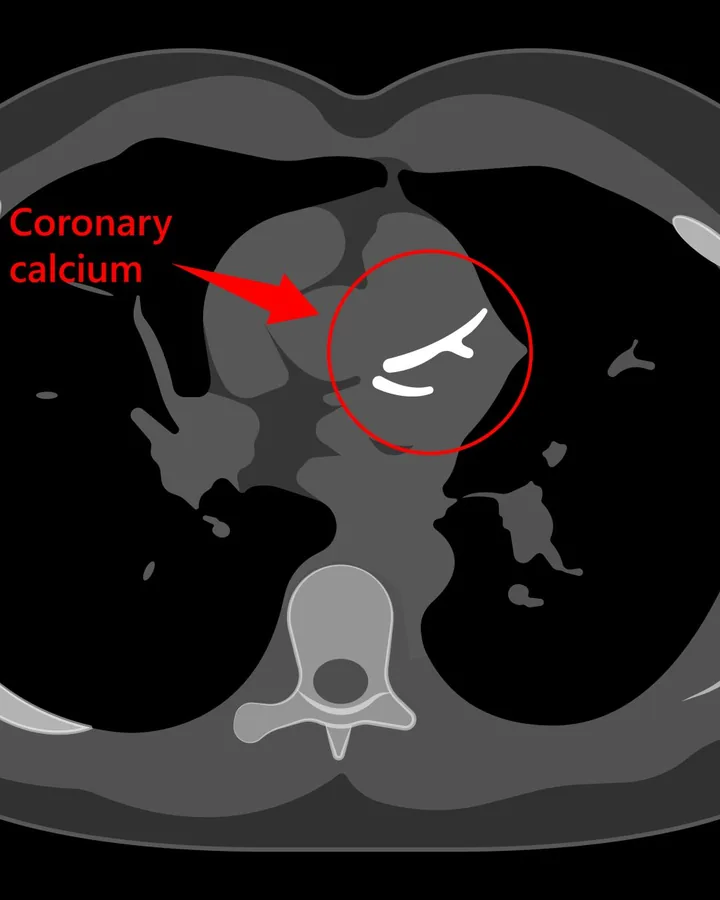
- Coronary artery calcium score. A CT scan of the heart that looks for calcium deposits in the heart arteries, which helps refine heart attack risk.
- Body composition testing. A DEXA scan measures muscle, fat, and bone density, which a bathroom scale cannot separate.
- Cardiorespiratory fitness testing. VO2 max testing measures how well your body uses oxygen during exercise, one of the stronger markers of long-term health.
- Expanded metabolic and hormone testing, chosen when symptoms or history point toward a specific question.
Newer cancer screening tools, including blood-based tests and whole-body imaging, are also part of the conversation for some patients. We cover those separately below. You can see the full range of testing we offer on our advanced testing page.
Lp(a): One Test Most Adults Should Have Once
Lp(a) is a cholesterol-carrying particle whose level is largely set by genetics. About 1 in 5 people worldwide have high Lp(a), according to the American Heart Association, and a standard lipid panel does not measure it. In March 2026, the American College of Cardiology and the American Heart Association issued an updated guideline stating that Lp(a) should be measured at least once in adulthood.
Because lifestyle changes have little effect on Lp(a), repeat testing is generally not needed. A single result can still shape your care for years. A high level may lead your physician to manage other risk factors, such as LDL cholesterol and blood pressure, more closely. For many patients, this one test brings real clarity to a family history of heart disease that was never fully explained. Our high cholesterol and cardiovascular risk page explains how we approach these markers.
READ: Your Cholesterol Is Normal. Is That the Whole Story?
ApoB: Counting the Particles That Matter
A standard lipid panel reports LDL cholesterol, which measures how much cholesterol is carried in LDL particles. Apolipoprotein B, or ApoB, measures something different: it reflects the number of cholesterol-carrying particles that can enter the artery wall. Each of those particles carries one ApoB molecule, so the test works as a particle count.
For many people, LDL and ApoB tell the same story. For others, especially people with high triglycerides, diabetes, or insulin resistance, the two numbers can point in different directions. In those cases, ApoB gives your physician a clearer view of your risk and a better target to track over time. It is a simple blood test, and it fits naturally alongside Lp(a) in a fuller cardiovascular picture.
How a Coronary Calcium Score Helps Refine Risk
A coronary artery calcium score is most useful when your heart risk falls in the middle range and the decision about starting a statin is uncertain. National cholesterol guidelines describe exactly this use. A score of zero suggests a low chance of a heart attack in the near term, and for many intermediate-risk adults it supports holding off on medication. A score of 100 or higher, or one in the top quarter for your age and sex, supports starting treatment.
In both cases, the test settles a decision that was otherwise a judgment call. That is the clearest example of a screening test earning its place: you leave with a specific answer and a specific plan.
Body Composition and Fitness Testing
Two people with the same weight can carry very different amounts of muscle and fat, and those differences matter for metabolism, strength, and long-term independence. A DEXA scan separates your body into muscle, fat, and bone, and it can show where fat is stored. Fat stored around the abdominal organs carries more metabolic risk than fat stored elsewhere. Tracking muscle over time is equally useful, since muscle supports blood sugar control, balance, and recovery from illness.
Fitness testing adds another layer. VO2 max testing measures how much oxygen your body can use during hard exercise, which gives your physician a direct measure of cardiorespiratory fitness. Together, these tests turn general advice about exercise and nutrition into specific, measurable goals, and a repeat test six or twelve months later shows whether your plan is working. Our metabolic and VO2 max testing service brings both into a single plan.
How Your Physician Decides Whether a Test Is Worth Running
The most useful question before any test is simple: what will we do differently depending on the result? A test is worth running when each likely result leads to a different, specific next step.
Several factors shape that answer. Your personal and family history matters most. Heart disease in a father or brother before 55, or in a mother or sister before 65, changes which tests make sense, as does a family pattern of a specific cancer. Your current risk level matters too, since some tests help most in a middle-risk group and add little at very low or very high risk. Your own goals shape the plan as well. If your focus is long-term strength and mobility, your testing will look different from someone focused on a specific heart concern. Finally, every test has a downstream path, and that path should be planned before the test is ordered.
Understanding Incidental Findings
Broad screening, especially imaging, can find things that were not being looked for. Radiologists call these incidental findings: an abnormality discovered during an imaging test done for another reason. Many are harmless. Some still lead to follow-up scans, specialist visits, or biopsies, along with the worry that comes with waiting for results.
The National Cancer Institute describes overdiagnosis as finding a condition through screening that never would have caused harm. Major radiology and regulatory bodies, including the American College of Radiology and the FDA, have not endorsed whole-body imaging as routine screening for people without symptoms or risk factors. That is why imaging-based screening works best as a physician-guided decision, with a plan in place for how any finding will be handled.
Newer Cancer Screening Tools
Several newer tools aim to detect cancer earlier, including blood-based tests that look for signals from multiple cancer types and whole-body imaging. These tools are evolving quickly, and they are best considered case by case with a physician who knows your history. They work alongside the cancer screenings that national guidelines already recommend. Your physician can help you weigh what a newer test is likely to add, how a positive or unclear result would be followed up, and how the result fits into the rest of your plan.
Screening Tests With Clear National Guidance
Some tests come with clear guidance about who benefits. The U.S. Preventive Services Task Force recommends against screening electrocardiograms for adults at low risk of heart disease who have no symptoms, since the evidence does not show a benefit for that group. Guidance like this helps your physician focus testing where it adds the most value, and it frees time and attention for the tests most likely to change your care.
How Results Become a Plan
A screening result is only as useful as the plan that follows it. Once your results are in, your physician reviews them in context, comparing them with earlier measurements, your family history, and your goals. A high Lp(a) result might lead to closer attention to LDL cholesterol and blood pressure. A calcium score might settle a statin decision. A body composition scan might shift your training toward building muscle.
Each result is recorded so future tests can be compared against it, and each one has a clear next step attached. The goal is a short list of clear decisions, a written plan for acting on them, and a schedule for checking your progress. You leave with a better understanding of your own risk and a specific way to improve it.
How Naples Concierge Health Approaches Advanced Screening
Physicians Dr. Jonathan Marsh and Dr. Danielle Grossman-Stuart build advanced screening around your history, your family history, and your goals. Each test is chosen because its result will guide a specific decision. Blood tests can be drawn in our office or at a local lab you prefer through our labs and diagnostics service, and results are reviewed with you in a longer visit, then tracked over time alongside the rest of your care.
Want Screening Built Around Your Own Risk?
For a screening plan built around your own history and goals, book a gap assessment with Naples Concierge Health. You can also browse everything Naples Concierge Health offers to see the fuller picture first.
Frequently Asked Questions
What is included in an advanced health screening?
It depends on you. Common elements include advanced lipid testing such as ApoB and Lp(a), a coronary artery calcium score, body composition testing, and fitness testing such as VO2 max. Your physician selects tests based on your history, family history, and goals.
Who should get a coronary calcium score?
National guidelines describe it as most useful for adults at borderline or intermediate heart risk, when the decision about starting a statin is uncertain. It is not intended as a screening test for everyone.
How often should Lp(a) be tested?
For most adults, once. Lp(a) levels are largely determined by genetics and change little with lifestyle, so the 2026 ACC/AHA guideline notes that repeat testing is generally not needed.
What is the difference between ApoB and LDL cholesterol?
LDL cholesterol measures how much cholesterol is carried in LDL particles. ApoB reflects the number of particles that can enter the artery wall. The two often agree, and ApoB can give a clearer picture for people with high triglycerides, diabetes, or insulin resistance.
Is a full-body scan a good idea?
It depends on your situation and the reason for the scan. Whole-body imaging can find incidental findings that lead to further testing, and major radiology bodies have not endorsed it as routine screening for people without symptoms. Your physician can help you weigh whether it fits and plan how any finding would be handled.
How do I know if a screening test is worth it?
Ask what will happen differently depending on the result. A test is worth running when each likely result leads to a clear next step, such as starting, stopping, or adjusting a treatment or lifestyle plan.
Can advanced screening replace an annual physical?
No. Advanced screening builds on the foundation of a standard physical. Your history, exam, and routine bloodwork remain the starting point, and advanced tests add detail where a closer look is warranted.
At what age does advanced screening make sense?
It depends more on your history than on age alone. A strong family history of early heart disease can make Lp(a) or a calcium score useful earlier in life, while some tests are designed for specific age ranges. Your physician weighs both when building your plan.
How are advanced screening results used after testing?
Your physician reviews each result alongside your earlier measurements, family history, and goals, then turns it into a specific next step. Results are recorded so later tests can be compared against them over time.
You might also be interested in reading: