
Part one of a series on GLP-1 medications and muscle: exploring the current evidence on how to use them well.
Written by: Dr. Danielle Grossman-Stuart, board-certified family medicine at Naples Concierge Health
BMI has well-recognized limitations. A strong, active 65-year-old and a sedentary 65-year-old might share a BMI of 29, yet they can have drastically different health outcomes.
This context becomes critical the moment weight starts coming off, especially on GLP-1 medications. Preserving muscle during that process matters far beyond aesthetics. Muscle clears glucose from the blood, supports the skeleton, and predicts a person’s ability to stay independent with age. No one starts a GLP-1 medication to lose muscle. The goal is better health, and protecting lean tissue is how to keep that goal on track.
The Hidden Risk: Muscle Loss on GLP-1 Medications
Many physicians who have practiced in hospital settings have treated patients with serious complications from these medications. While a hospital environment skews toward worst-case scenarios, that experience justifies a highly cautious approach. The medical team at Naples Concierge Health is committed to giving every member the safest, most effective treatment possible, with the fewest avoidable setbacks along the way.
Here is the part most people never hear. Any weight loss, whether from diet, surgery, or medication, costs some muscle along with the fat. In semaglutide trials, participants lost up to 45.2% of their weight as lean tissue, while tirzepatide trials showed around 25.7% (Neeland et al., 2024).
A member’s own result depends on the starting point and what happens during treatment. A 40-year-old with solid muscle reserve handles a 30-pound weight loss very differently than a 74-year-old whose lean mass is already declining with age. For older adults, muscle is not a cosmetic concern. It is the tissue that determines whether someone can still climb stairs at 80, recover quickly from illness, and stay steady on their feet. Lose too much of it, and independence erodes long before anyone names the cause.
Why Muscle Is the Tissue Worth Guarding
Muscle does far more than move the body. It is the body’s largest site for clearing glucose from the blood, which means preserving it directly supports the metabolic goals that bring many members to a GLP-1 medication in the first place. It anchors the skeleton, protecting bone as weight comes off. It powers the balance and reaction time that prevent falls, and it holds the reserve the body draws on during any illness or hospital stay. When weight loss strips muscle indiscriminately, a member can end up lighter but frailer, with a lower metabolic rate that makes the next stretch of progress harder to earn.
This is why Naples Concierge Health physicians never judge a treatment by the scale alone. Two members can lose the same 20 pounds and end up in completely different places: one stronger and more capable, the other diminished. Medication is a tool. What surrounds it decides the outcome.
How to Protect Muscle During GLP-1 Treatment
Muscle loss is not inevitable, but it must be actively protected. The strategy is straightforward:
- Lift Weights: Strength training reliably protects lean tissue during weight loss. Members should begin training even before starting the medication, so the habit and the stimulus are already in place. Two to three sessions per week, focused on the major muscle groups and progressing gradually in load, are enough to make a meaningful difference. The goal is not performance for its own sake. It is signaling to the body that this muscle is needed and should be kept.
- Track Protein Intake: Measure protein intake, at least initially. Protein tracking can feel like a chore, but a few weeks of tracking helps people estimate portions more accurately. Clinical guidelines suggest a bare minimum of 0.55 grams per pound of body weight daily (about 85.5 grams for a 150-pound person), though sports nutrition recommends even more during active weight loss (Bauer et al., 2013). For context, a four-ounce salmon fillet provides 30 grams. Consuming enough protein when a medication suppresses appetite presents its own challenge, which will be addressed in a subsequent article in this series.
- Spread Protein Across the Day. Older adults’ bodies metabolize protein less efficiently, so distributing protein across meals may better support muscle protein synthesis throughout the day.
- Measure Body Composition: Tracking the specific tissue a member is losing is essential. Naples Concierge Health physicians check body measurements and grip strength to gauge overall composition over time. For a deeper dive, partners like LiveWell Health perform comprehensive longevity assessments that measure metabolic health, cardiorespiratory fitness, strength, and balance. The point of all of it is the same: replace a single bathroom-scale number with a real map of true progress.
The Naples Concierge Health Approach
At Naples Concierge Health, physicians support members every step of the way by assessing body composition before treatment begins and tracking progress to ensure the right tissue is coming off. If something drifts off track, their physician will adjust protein, training, or dose before a small problem becomes a lasting one. The familiarity with each member’s history, baseline, and goals makes it possible to read a change that a first-time provider would miss entirely.
The practice never just hands over a prescription and a scale. The physician collaborates with the member to build a comprehensive plan, revisits it often, and stands alongside each member in pursuit of their health goals. That continuity, more than any single medication, is what makes weight loss something members keep.
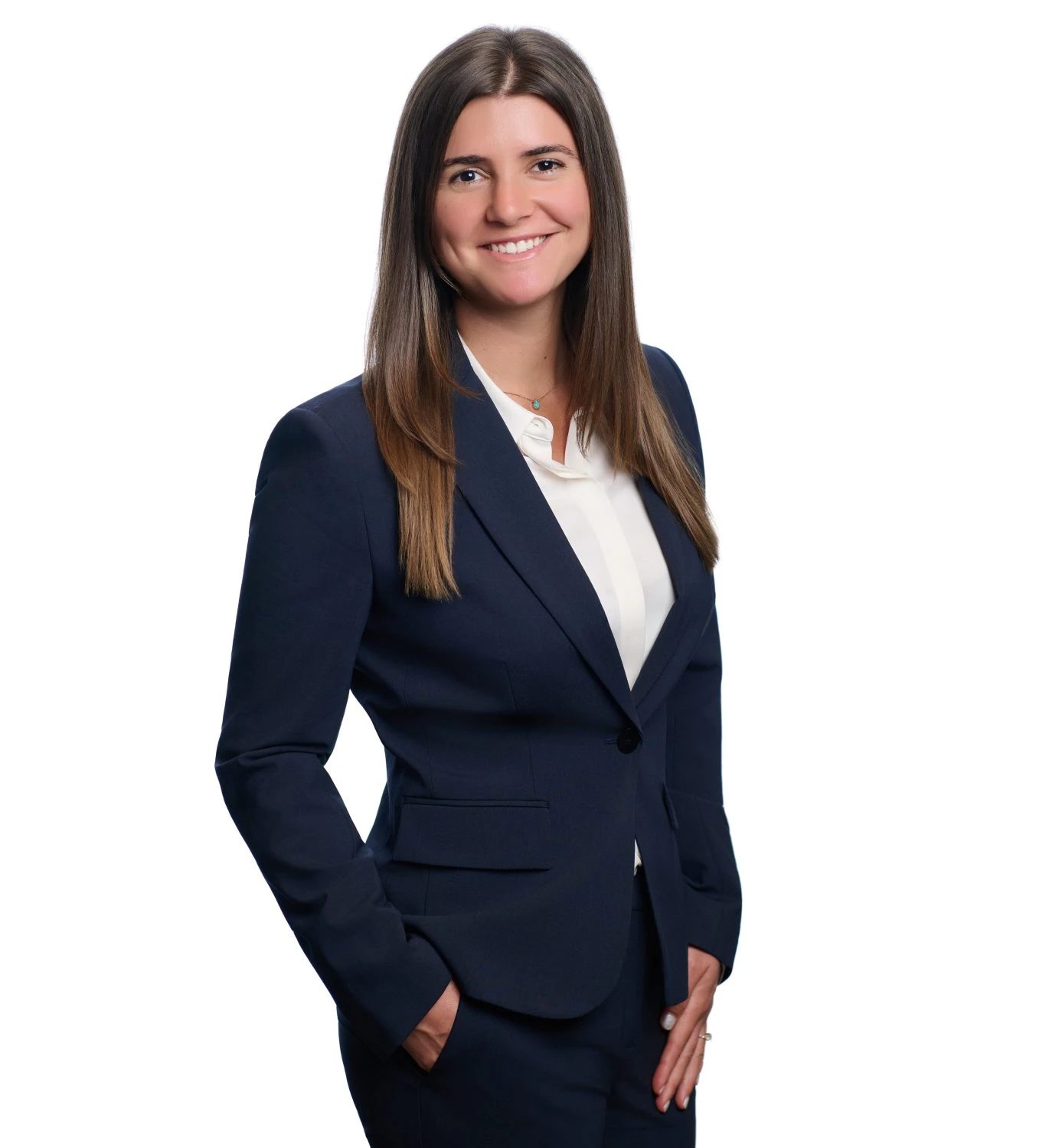
Dr. Danielle Grossman-Stuart is a board-certified family medicine physician at Naples Concierge Health, focused on prevention, root-cause care, and building longitudinal relationships with members over time. Inquire about a meet-and-greet with Dr. Grossman-Stuart by calling (239) 766-7303 or scheduling a time to speak with our member liaison.
What to Do Next
- Members should begin strength training before the first dose when appropriate and aim for two to three sessions per week focused on major muscle groups.
- Track protein for the first few weeks until estimating becomes second nature, aiming to hit the daily target.
- Build meals around protein first, using anchors like fish, poultry, eggs, and Greek yogurt to hit the daily target despite a reduced appetite.
- For those not yet a Naples Concierge Health member, ask the physician to measure body composition, not just weight, before beginning and at regular intervals.
- Discuss age, current muscle reserve, and independence goals with the physician, since these change how aggressively muscle needs protecting.
- Report new weakness, dizziness, or difficulty with stairs and daily tasks promptly, rather than waiting for a scheduled visit.
Frequently Asked Questions
Do GLP-1 medications cause muscle loss?
Some muscle loss accompanies any weight loss, whether from diet, surgery, or medication. In clinical trials, roughly a quarter to nearly half of the weight lost on GLP-1 medications was lean tissue rather than fat. The loss is not inevitable in its full amount, and strength training plus adequate protein meaningfully protect muscle during treatment.
How much protein should I eat while on a GLP-1 medication?
Clinical guidelines suggest a floor of about 0.55 grams of protein per pound of body weight daily, roughly 85.5 grams for a 150-pound person, and often more during active weight loss. A concierge physician can set a target based on body weight, age, and goals.
Can I prevent muscle loss on semaglutide or tirzepatide?
Not all lean tissue loss can be prevented, but it can be limited substantially. Resistance training two to three times per week, adequate protein, and tracking body composition rather than weight alone are the core strategies. Starting strength work before the medication provides a head start.
Why isn't the scale enough to track my progress?
The scale shows total weight but not what kind of tissue is being lost. Two members can lose the same number of pounds while one preserves muscle and the other loses it. Measuring body composition, grip strength, and physical function shows whether the right tissue is being lost.
References
- Bauer, J., Biolo, G., Cederholm, T., Cesari, M., Cruz-Jentoft, A. J., Morley, J. E., Phillips, S., Sieber, C., Stehle, P., Teta, D., Visvanathan, R., Volpi, E., & Boirie, Y. (2013). Evidence-based recommendations for optimal dietary protein intake in older people: A position paper from the PROT-AGE Study Group. Journal of the American Medical Directors Association, 14(8), 542–559. https://doi.org/10.1016/j.jamda.2013.05.021
- Neeland, I. J., Linge, J., & Birkenfeld, A. L. (2024). Changes in lean body mass with glucagon-like peptide-1-based therapies and mitigation strategies. Diabetes, Obesity and Metabolism, 26(Suppl. 4), 16–27. https://doi.org/10.1111/dom.15728